




Not every orthodontic problem needs to wait until all permanent teeth have erupted. In some children, early orthodontic treatment can help guide jaw development and create sufficient space for the permanent teeth. Other orthodontic problems are best treated during the teenage years, once most or all permanent teeth are present.
With Invisalign First® and Invisalign Teen®, two modern clear aligner systems are available that are specifically designed for different stages of dental development.
Since 2010, Dr Martin Jaroch, M.Sc. Orthodontics, has been treating children, teenagers and adults with Invisalign®. Having completed more than 500 Invisalign treatments and serving as an Invisalign Mentor for Germany, Austria and Switzerland, he has extensive experience in planning personalised orthodontic treatments for patients of all ages.
Our practice in Singen regularly welcomes families from Germany and Switzerland, particularly from Schaffhausen, the canton of Thurgau, Winterthur, St. Gallen, Zurich and the Lake Constance region.
Invisalign First® has been developed specifically for children in the mixed dentition stage, when both baby teeth and permanent teeth are present.
Early treatment may help guide jaw development, create space for erupting permanent teeth and address certain orthodontic problems while a child is still growing.
Invisalign First® may be suitable for children with:
crowded teeth
insufficient space for permanent teeth
crossbite
open bite
deep bite
narrow upper jaw
individual crooked teeth
early signs of jaw development problems
Not every child requires immediate orthodontic treatment. Following a comprehensive examination, we will explain whether early treatment is advisable or whether monitoring your child's dental development is the better option.
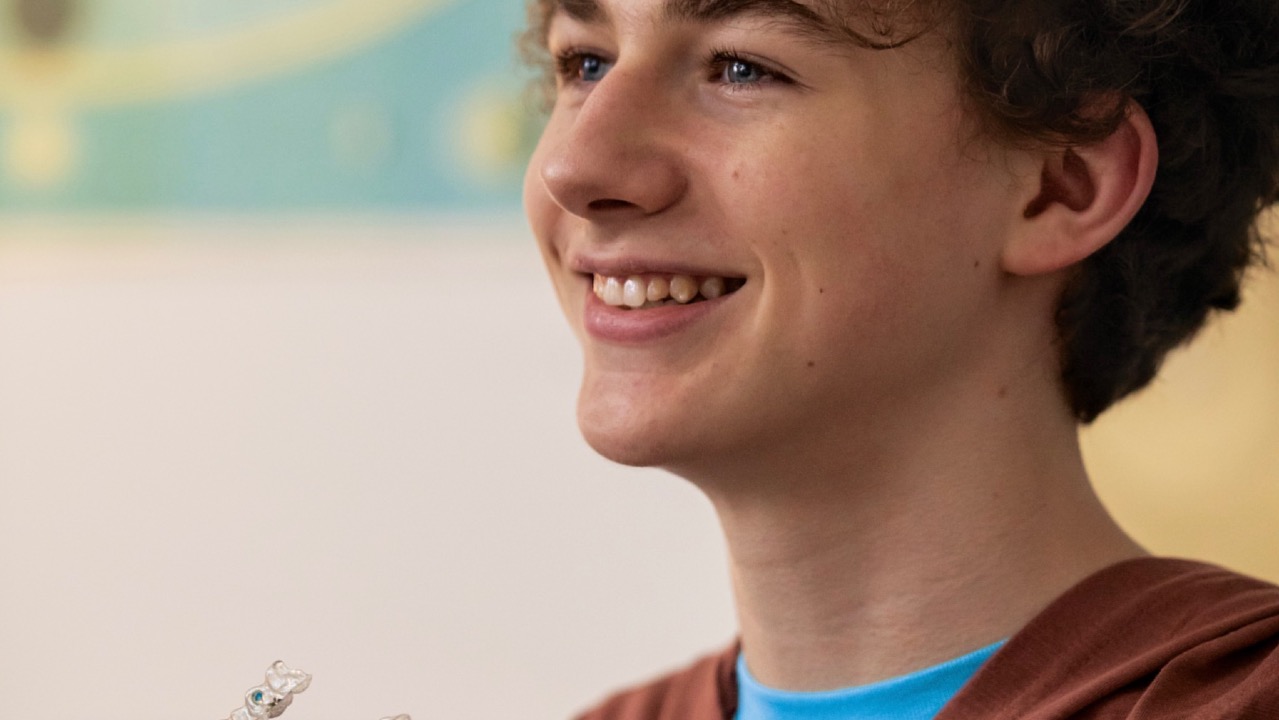
Once most or all permanent teeth have erupted, Invisalign Teen® is often an excellent treatment option.
Many teenagers would like straighter teeth without wearing visible fixed braces. Invisalign Teen® offers a discreet and comfortable alternative that fits naturally into everyday life.
Invisalign Teen® can often be used to treat:
crooked teeth
crowding
gaps between teeth
overjet
crossbite
open bite
deep bite
relapse following previous orthodontic treatment
The clear aligners can be removed for meals, brushing and flossing, making oral hygiene much easier than with fixed braces.
Curious what your smile could look like after Invisalign treatment?
With the free Invisalign SmileView® tool, you can get a realistic simulation of your future smile in just seconds – using nothing more than a quick selfie from your smartphone!
Try it now:
Invisalign SmileView® Simulator
No registration. No app download. Just one photo – and a glimpse of your new smile.

Whether Invisalign First®, Invisalign Teen® or another orthodontic treatment is most appropriate depends on several factors, including:
your child's age
stage of dental development
jaw growth
type and severity of the orthodontic problem
ability to wear the aligners consistently
Following a detailed examination, we will discuss all suitable treatment options and prepare an individual treatment plan tailored to your child's needs.
Parents often look for an orthodontic solution that fits comfortably into everyday family life.
Invisalign offers many advantages:
virtually invisible clear aligners
removable for eating and oral hygiene
comfortable to wear without brackets or wires
excellent oral hygiene throughout treatment
advanced digital 3D treatment planning
individually manufactured aligners
regular professional supervision
Whether Invisalign is the best option depends on your child's individual diagnosis. In some situations, another orthodontic treatment may provide a more suitable solution.

We examine your child's teeth, bite and jaw development and discuss the available treatment options with you.
Using a modern intraoral scanner, we create a precise digital model of your child's teeth—without traditional dental impressions.
The entire treatment is digitally planned based on the clinical findings and your child's stage of development.
The Invisalign aligners are custom-made specifically for your child.
The aligners are generally worn for approximately 20 to 22 hours per day and changed according to the individual treatment plan.
Throughout treatment we monitor your child's progress and make adjustments whenever necessary. For families travelling from Switzerland, appointments can often be scheduled at longer intervals when clinically appropriate. In many cases, several sets of aligners can be provided during the same visit, reducing the number of journeys required.
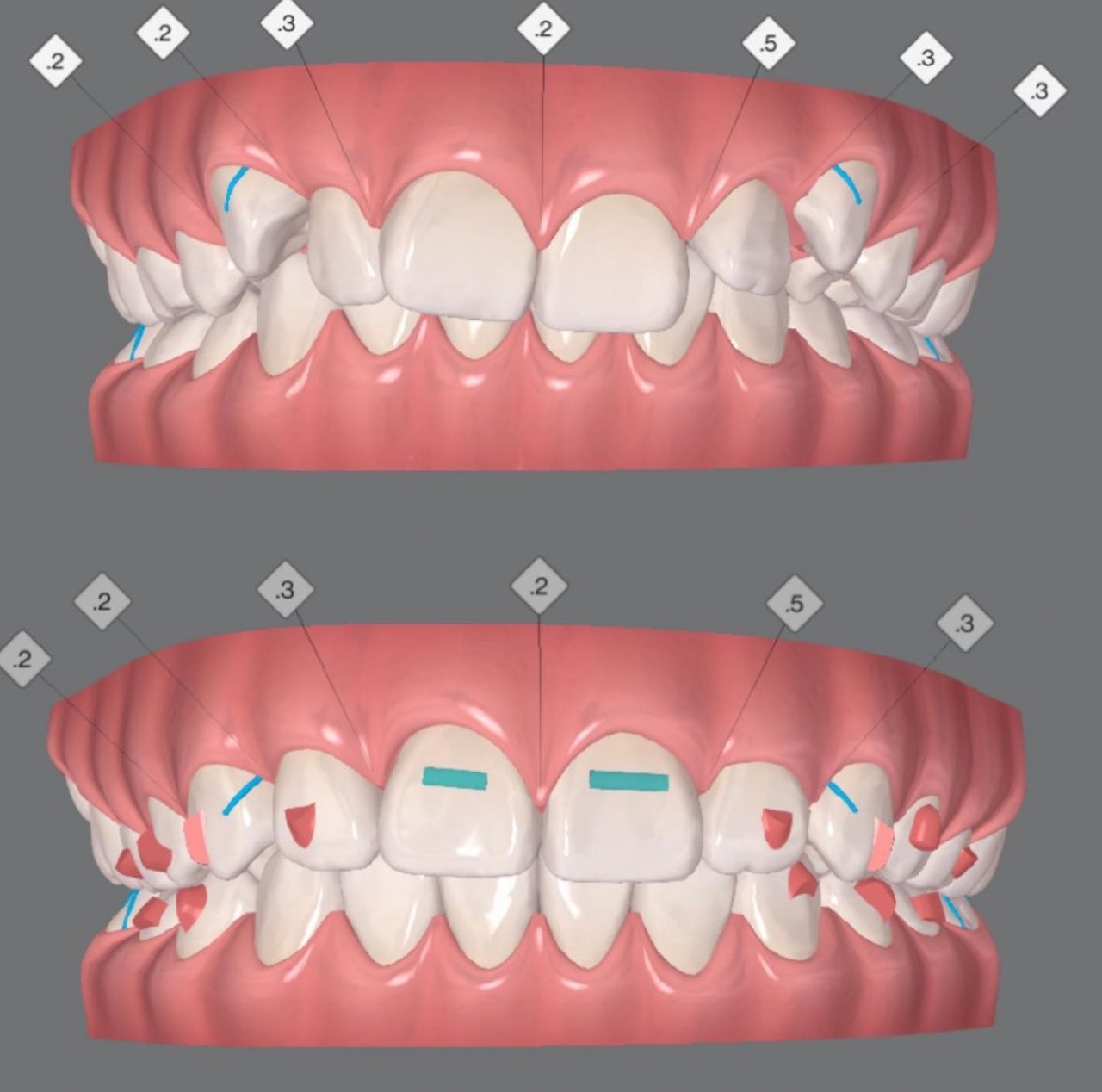
Invisalign First® is commonly considered during the mixed dentition stage. The ideal timing depends on your child's individual growth and dental development.
Invisalign Teen® is generally suitable once most or all permanent teeth have erupted and orthodontic treatment during adolescence is appropriate.
For predictable tooth movement, the aligners should usually be worn for approximately 20 to 22 hours each day.
Please contact our practice as soon as possible. We will advise whether your child should continue wearing the current aligner, move to the next one or whether a replacement aligner is required.
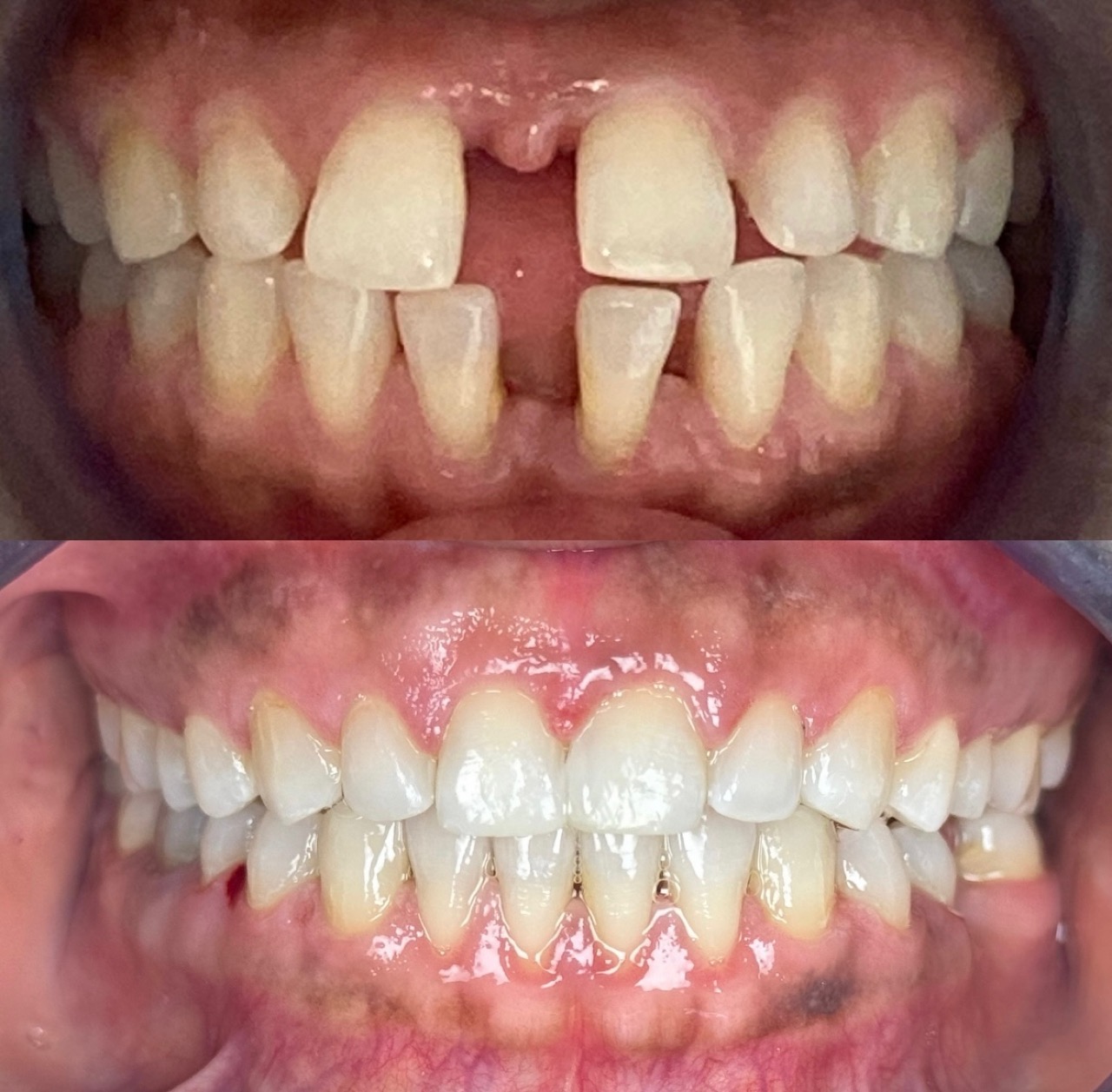
Yes. Invisalign aligners can usually be worn during most sporting activities. For contact sports, an additional protective sports mouthguard may be recommended.
Some children notice mild pressure when changing to a new aligner. This is generally temporary and is a normal sign that the teeth are moving as planned.
The frequency of appointments depends on your child's individual treatment plan and progress.Families travelling from Switzerland often appreciate that appointments can frequently be scheduled further apart when this is clinically appropriate.
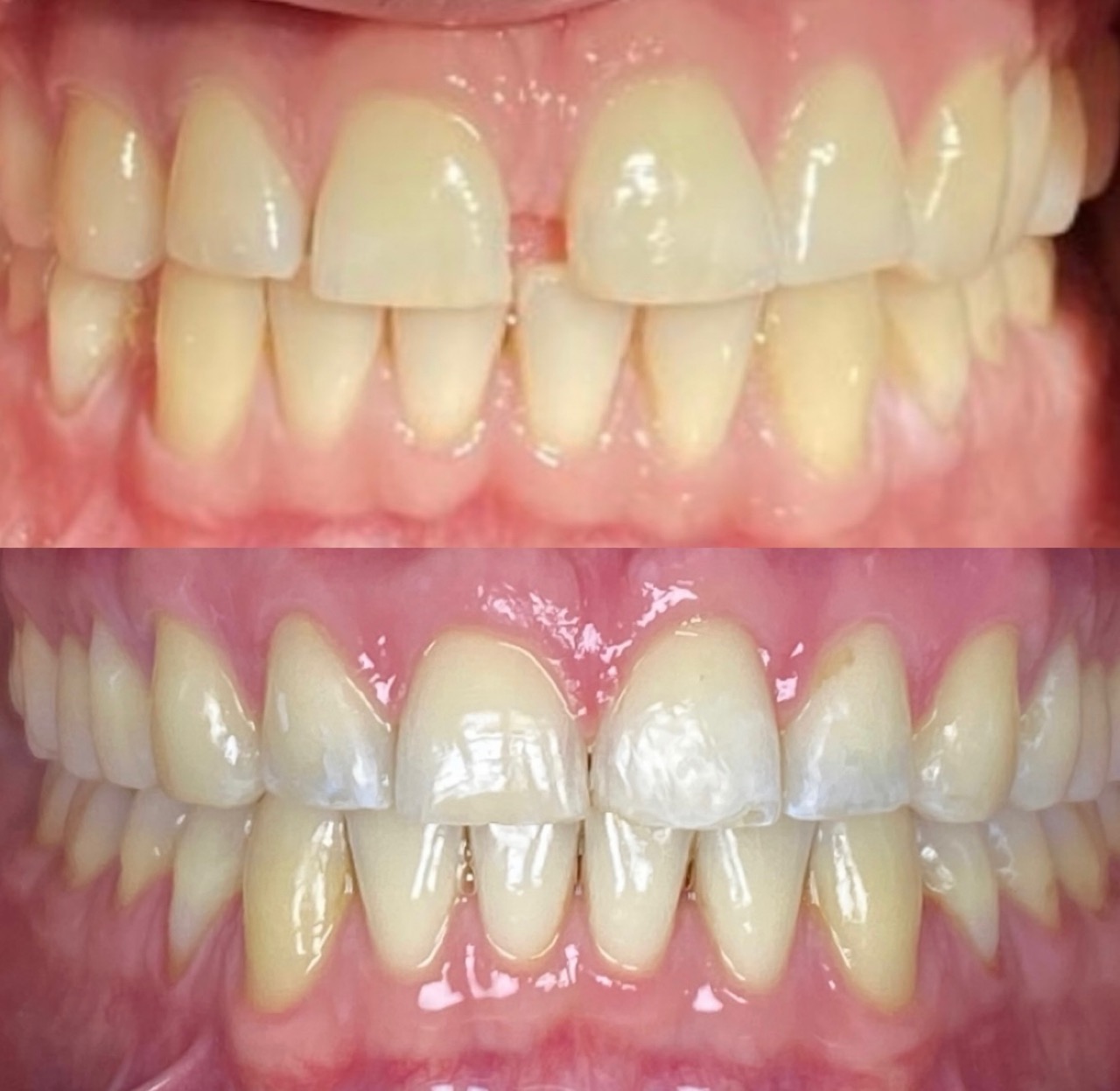
Master of Science in Orthodontics
Master of Science in Periodontology and Implant Therapy
Invisalign provider since 2010
more than 500 Invisalign treatments
Invisalign Mentor for Germany, Austria and Switzerland
advanced digital diagnostics and 3D treatment planning
extensive experience with complex orthodontic cases
regular care for families from Germany and Switzerland
Would you like to find out whether Invisalign First®, Invisalign Teen® or another orthodontic treatment is the best solution for your child?
During your consultation, we will assess your child's dental and jaw development, explain the available treatment options and prepare an individual treatment plan where appropriate.
We look forward to welcoming you and your family to our practice in Singen, conveniently located for patients from Germany, Switzerland and the Lake Constance region.
For more informations about Dr. Jaroch go to his Instagram-Site.
Read the reviews on Google
*Invisalign, the Invisalign logo, and iTero, as well as other designations, are trademarks or service marks of Align Technology, Inc. or its subsidiaries or affiliated companies, which may be registered in the United States and/or other countries.