
On this page
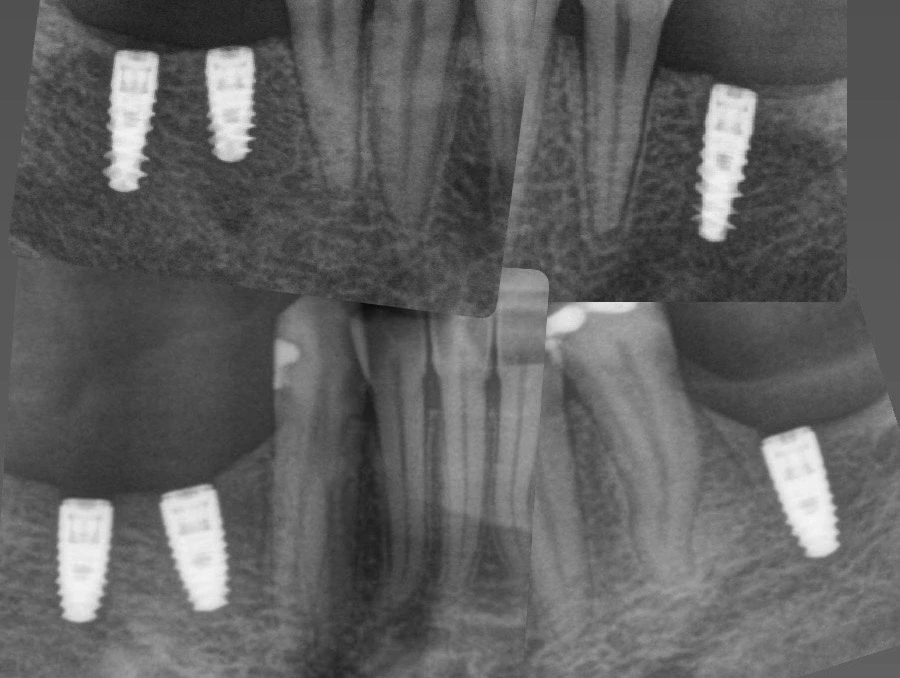
A dental implant is an artificial tooth root that heals into the jawbone and carries a crown, a bridge or a denture. It replaces a missing tooth without the healthy neighbouring teeth having to be ground down. At our practice in Singen we use implants made by Straumann.
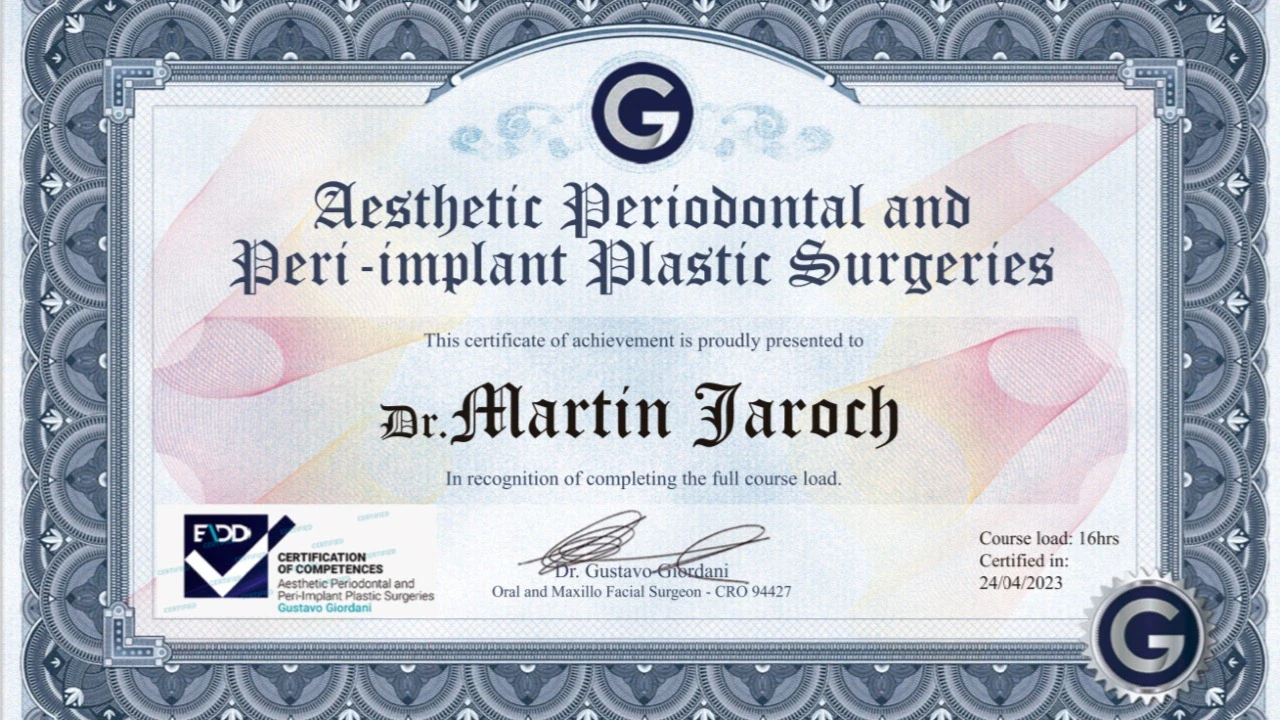
Dr. M.Sc. M.Sc. Martin Jaroch holds a Master of Science in periodontology and implant therapy. Because the gums and bone help determine how well an implant holds in the long term, we take them into account from the start and plan the position of every implant digitally.
Who are implants suitable for?
single missing teeth, for example after tooth loss through decay, an accident or periodontitis
toothless jaws, to anchor a denture securely
a fixed alternative to a bridge, without grinding down healthy neighbouring teeth
younger and older patients alike – what matters is not age but the starting situation
Any gum inflammation must be treated before an implant is placed. We check at the examination whether there is enough bone. General illnesses, certain medicines and smoking can affect healing – we discuss this with you beforehand.
Treatment in 5 steps
Consultation and examination: we examine your teeth, gums and bone, with X-rays where needed, and discuss the options – including the alternatives to an implant.
Digital planning: we plan the position of the implant on the computer, taking into account the available bone, the neighbouring teeth and the appearance. Before treatment starts you receive a written treatment and cost plan.
Implant placement: the implant is placed in the jaw under local anaesthetic, where needed with a surgical guide that transfers the planned position.
Healing phase: the implant fuses with the bone. How long this takes depends mainly on the bone quality and on any bone grafting. During this time the gap can be filled with a temporary restoration if needed.
Restoration and aftercare: the crown, bridge or denture, made by dental technicians in the region, is fitted onto the healed implant. Regular check-ups follow.
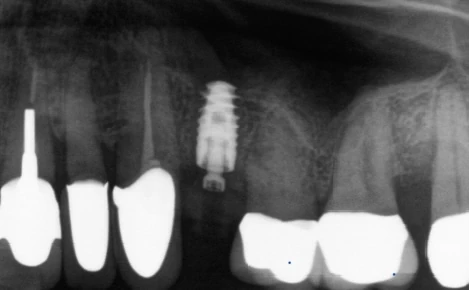
Bone grafting
After a tooth is lost, the jawbone at that spot often shrinks. If there is not enough bone for an implant, it can be rebuilt with regenerative techniques – before or together with the implant, depending on the situation. Only the examination shows whether bone grafting is needed. It makes treatment longer and affects the costs.
How much does a dental implant cost in Singen?
We can only give you a reliable price after the examination. The costs depend above all on:
the number of implants
any bone grafting that is needed
the type of restoration – crown, bridge or denture
the materials and the dental laboratory work
German statutory health insurers usually pay nothing towards the implant itself, but contribute a fixed subsidy towards the crown, bridge or denture fitted onto it. Private health insurers and supplementary insurers reimburse according to your policy. Patients from Switzerland pay for treatment themselves; billing follows German law.
In every case you receive a written treatment and cost plan in advance that you can submit to your insurer. Read more under costs and billing.
Implant or bridge?
A bridge is attached to the neighbouring teeth, which are ground down for it. An implant stands on its own in the bone and leaves the neighbouring teeth untouched. A bridge, on the other hand, needs no surgery and is often finished sooner. Which makes more sense in your case depends on the condition of the neighbouring teeth, on the bone and on your wishes – we discuss both options with you.
Implants and gums
An implant is only as stable as the tissue around it. Like natural teeth, an implant can become inflamed; this is called peri-implantitis. That is why we treat periodontitis before an implant is placed and recommend regular professional teeth cleaning afterwards. Where gums, tooth position and implants interact, we plan according to the POI360° concept.
Frequently asked questions about dental implants
Does having an implant placed hurt?
The procedure is carried out under local anaesthetic. In the days afterwards there may be swelling and some pain from the wound. We discuss with you before the procedure how to prepare and what helps afterwards.
How long does treatment take?
The time from planning to the finished restoration is usually several months, because the implant has to heal in first. With bone grafting it takes longer. You receive an estimate for your case after the examination.
How long does an implant last?
That cannot be predicted for every case. What matters for keeping an implant in the long term are healthy gums, thorough oral hygiene, regular check-ups and not smoking.
Am I too old for an implant?
There is no upper age limit. What matters are your general health and the condition of your bone and gums.
Are implants an option for patients from Switzerland?
Yes. Many of our patients come from Switzerland, and we arrange appointments to suit you. Read more under Dentist for patients from Switzerland.
Dental implant consultation in Singen
Whether an implant is right for you can only be determined after an examination. Request a consultation – we take time to answer your questions.
For more information about Dr. Jaroch, visit his Instagram page. You can also read our reviews on Google.